Things to Do in Lunahuaná: Peru's Adventure Weekend Escape
Rafting the Río Cañete, ziplines, pisco bodegas and where to sleep in Lunahuaná, the adventure valley three hours south of Lima.
Lunahuaná does not show up in many English-language Peru itineraries, and that is exactly why it caught my attention. In recent trip reports it is Lima's own weekend secret: a small colonial town in the Cañete valley, about three hours south of the capital, where the same short stretch of river handles white-water rafting, Peru's longest ziplines run overhead, and the hillsides are dotted with family pisco bodegas that have been distilling since the 1890s. I have not filmed Peru yet, but if I were building a first Lima trip today (see my full where to stay in Lima guide), this is the two-day escape I would bolt onto it, and this guide is the version I would book, pieced together from what travelers and local operators have been reporting over the past couple of years.
How Lunahuaná lays out
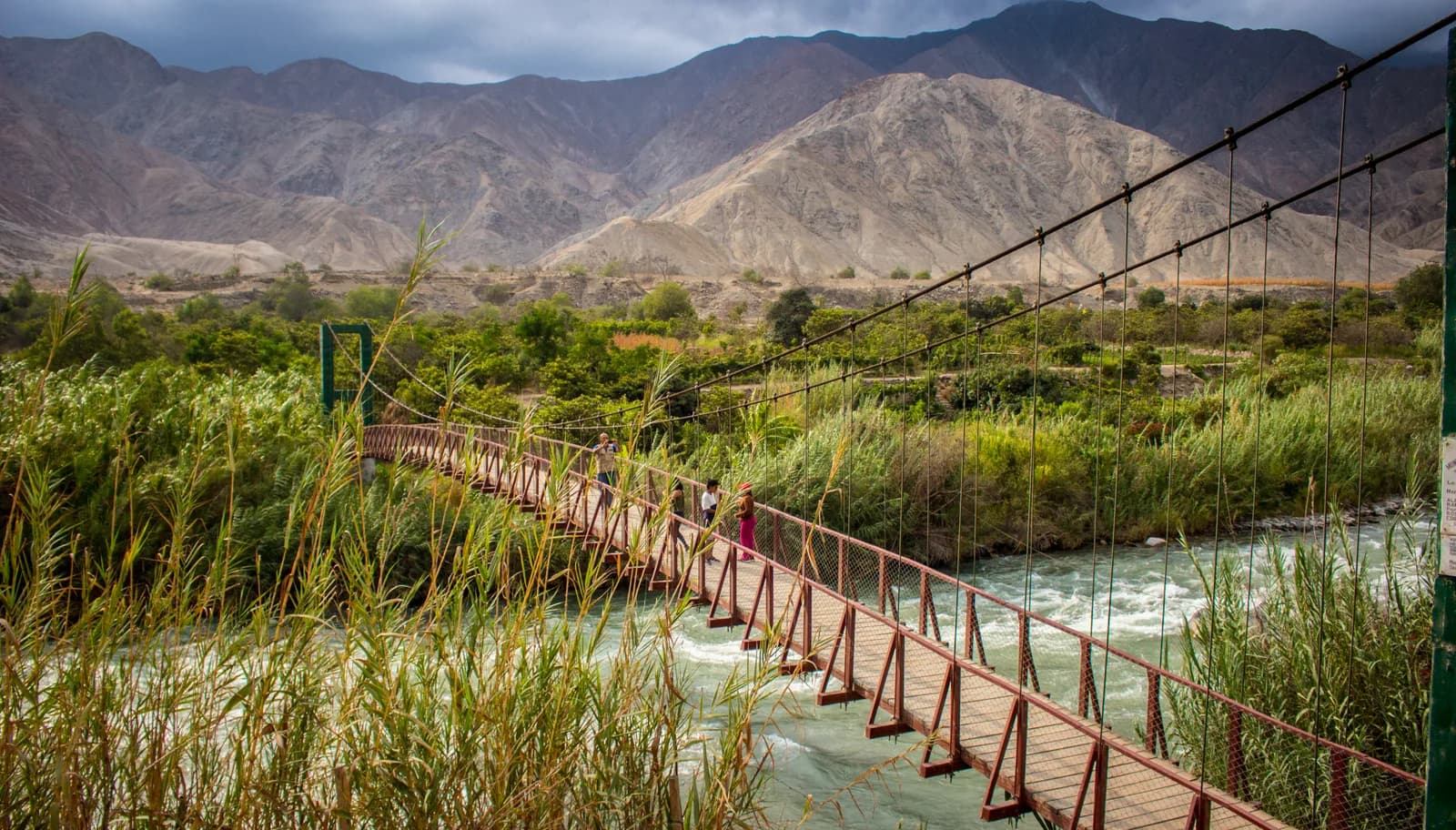
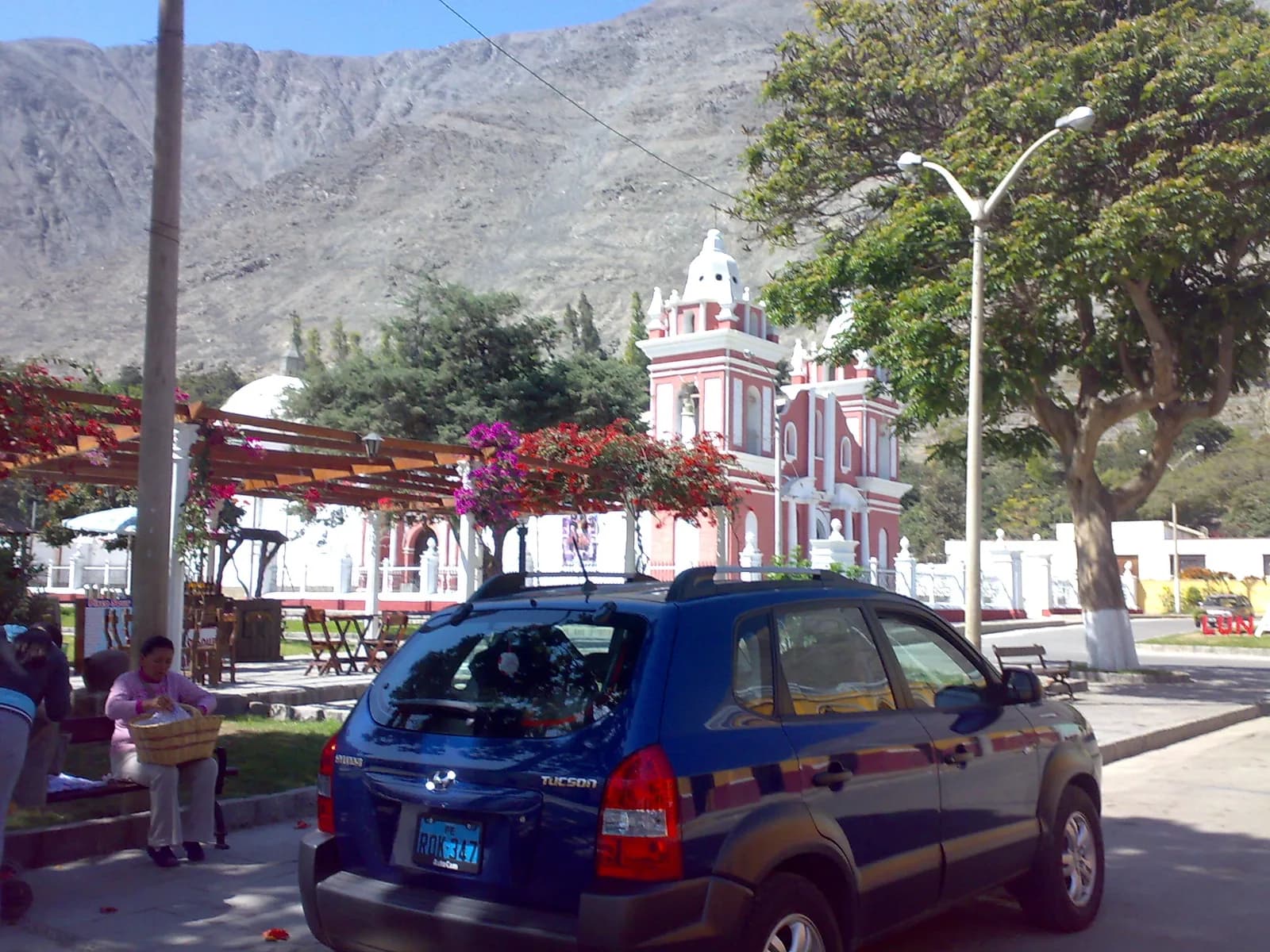
The whole place makes sense once you realize it is a river valley strung along one road. The Río Cañete comes down out of the Andes and the Cañete-Lunahuaná highway follows it, with the town proper sitting around kilometer 39. The center is compact: a Plaza de Armas with a colonial church (Santiago Apóstol, with a sky-blue vaulted wooden ceiling that recent visitors keep photographing), a cluster of tour agencies selling the same menu of rafting, canopy and cuatrimotos, and restaurants built around river shrimp.
Everything else hangs off the road by kilometer marker. Down-valley toward Cañete is the annex of Paullo, where much of the rafting starts and ends. Up-valley past town come Condoray and Uchupampa, the strip where most of the pool-and-garden lodges sit, and then Catapalla around kilometer 45, with its hanging bridge over the river and bodegas on the far bank. The Incahuasi ruins are roughly ten kilometers west of town on the main road. Nothing is far. Mototaxis shuttle between the annexes for a few soles, and rafting operators handle their own transport, so a base anywhere in the valley works. Which base to pick is the real question, and I get into that below.
The adventure menu: rafting, ziplines and cuatrimotos
This is why Lima empties into the valley on long weekends. The core circuit is three activities, and travelers consistently report booking all of them on arrival at the plaza agencies rather than months ahead, except on holiday weekends when everything sells out and prices roughly double.
Three things worth booking
 Traveler favourite
Río Cañete rafting day trip from Lima
Transport from Lima, the rafting run, a riverside lunch and a pisco tasting bundled into one long day. The easiest option if you cannot spare a night in the valley.
Book this Biggest views
Canopy zipline over the Río Cañete
Lines crossing back and forth above the river, with a full course of five cables covering about 2,500 meters, among the longest in Peru. Go in the morning before the valley wind picks up.
Book this Slow afternoon
Valley circuit: bodegas, Incahuasi and cuatrimotos
ATV or guided van loop through the annexes, hitting a pisco bodega tasting, the hanging bridge at Catapalla and the Inca ruins. The counterweight to a morning on the river.
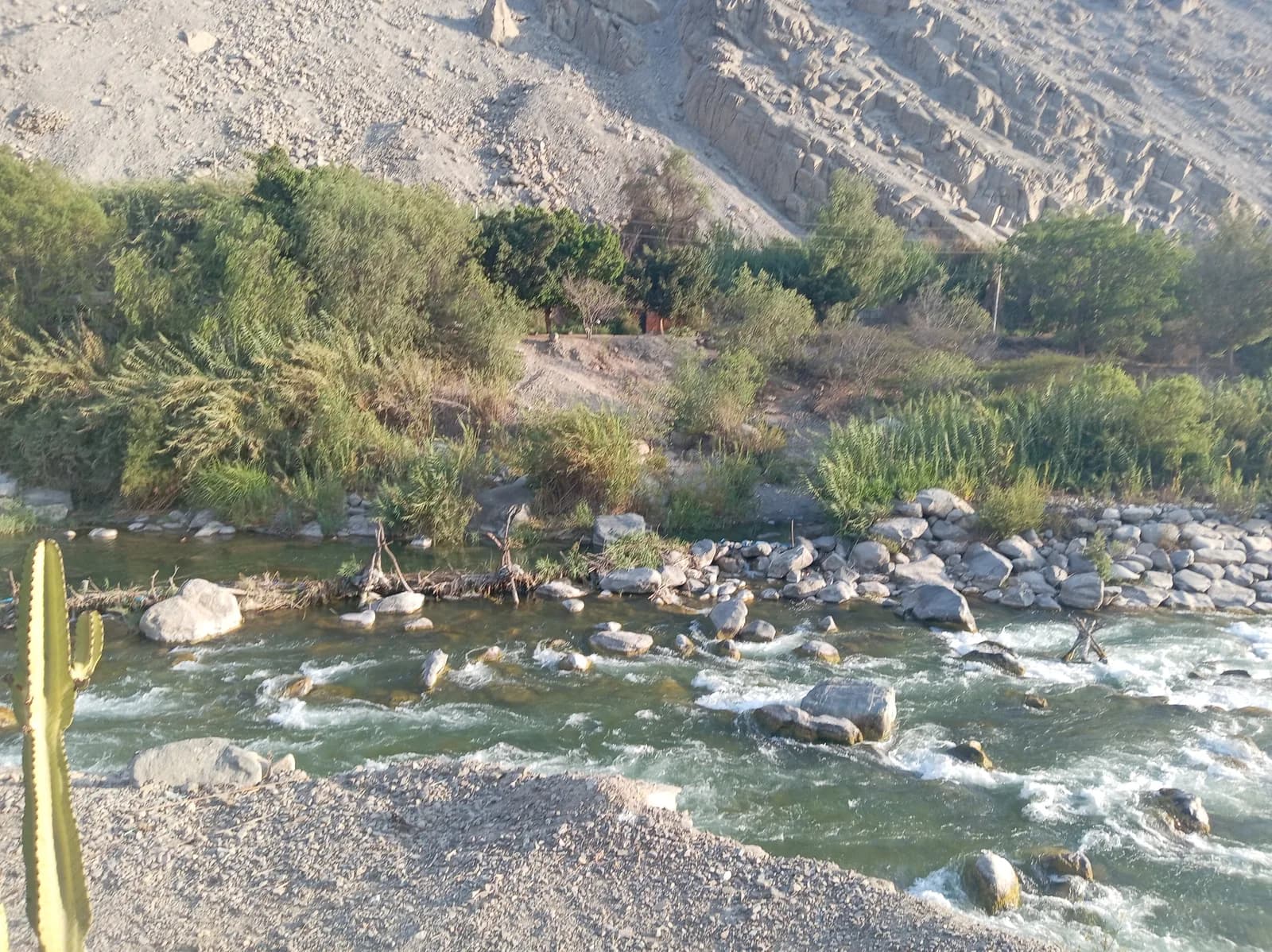
Book thisRafting is the headliner, and the single most useful thing to understand is that the Río Cañete has two personalities. From roughly December through April, rain in the Andes swells the river and the eight-kilometer Lunahuaná to Paullo stretch runs technical Class III and IV rapids, reaching IV+ at peak water. This is the season that draws experienced rafters from around Peru. From April to November the river settles into friendly Class II water, trips shorten to a couple of hours or less, and operators take beginners and children from about age eight, with the gentler Paullo to Socsi section working for families with kids as young as six. Neither season is wrong. Big-water paddlers want summer; everyone else gets an easier, sunnier river the rest of the year. A rafting trip on the Cañete from Lima runs around $55 with lunch and a tasting included, while booking at the plaza in cash comes in cheaper.
The canopy is the other fixture. The zipline course strings cables back and forth over the river, and the full run of five lines covers about 2,500 meters, which local operators fairly claim is among the longest in the country. Recent prices sit around S/50-70 depending on how many lines you ride. Cuatrimotos (quad bikes) fill the gaps: about 40 minutes on dirt tracks through the annexes for S/25-35, with routes past vineyards and viewpoints. There is also a 32-meter rappel line in the hills and bike rental in town for anyone who would rather pedal the valley road to the ruins.
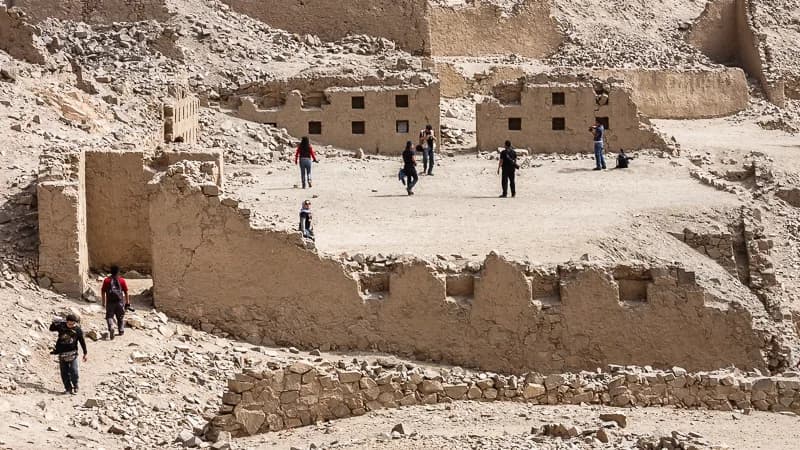
Incahuasi is the change of pace. Ten kilometers west of town sit the remains of the military headquarters Túpac Yupanqui built during the Inca push into this valley in the 1400s, an eight-hectare complex of plazas, storerooms and kallanka halls with original walls still standing head-high in places. Entry is free, there is almost no signage, and the caretaker will walk you around for a small tip if your Spanish can keep up. A taxi from town runs about S/20 round trip with waiting time. Multiple recent visitors describe having the entire site to themselves, which is not a sentence anyone writes about Inca ruins near Cusco.
The bodegas: pisco and wine the artisanal way
Here is the part of Lunahuaná I would personally build the second day around. The valley has been growing grapes since colonial times, and a handful of family bodegas still make pisco and wine in open concrete and clay, a world away from the polished tasting rooms of Ica. Three names come up again and again in recent accounts. La Reyna de Lunahuaná, about six kilometers east of town, is cited as the oldest bodega in Cañete province, with colonial architecture and a 45-minute visit that ends in a tasting of piscos, wines and local honeys. Bodega Los Reyes has run in the same family since 1896 and opens for free weekend visits with a tasting included. Bodega Santa María, going since 1929 and still fully family-run, gets mentioned for its views over the valley and a well-stocked shop of its own bottles.
Coming from a Japanese family, my benchmark for small-batch alcohol is the regional sake kura where the person pouring is the person who made it, and this is the same energy: uneven pours, strong opinions, bottles that never leave the valley. Tastings are cheap or free, and buying a bottle of quebranta pisco at the source is the souvenir move. March and April, around the grape harvest, is when the bodegas are at their liveliest, and the town's Fiesta de la Vendimia celebrates the new wine.
What to eat: camarones, sopa seca and pisco sours
The valley's food identity is built on one ingredient: camarones, the river shrimp pulled from the Cañete. Recent diners order them every way the kitchens will serve them, as chupe de camarones (the big, brothy chowder), chicharrón de camarones (fried, with yuca), or picante de camarones in a chili cream. The other local plate is carapulcra con sopa seca, the Cañete pairing of slow-cooked dried-potato and pork stew with basil-tinted noodles, misleadingly named since the "dry soup" is not a soup at all. For dessert, look for anything made with nísperos, the loquats that grow through the valley.
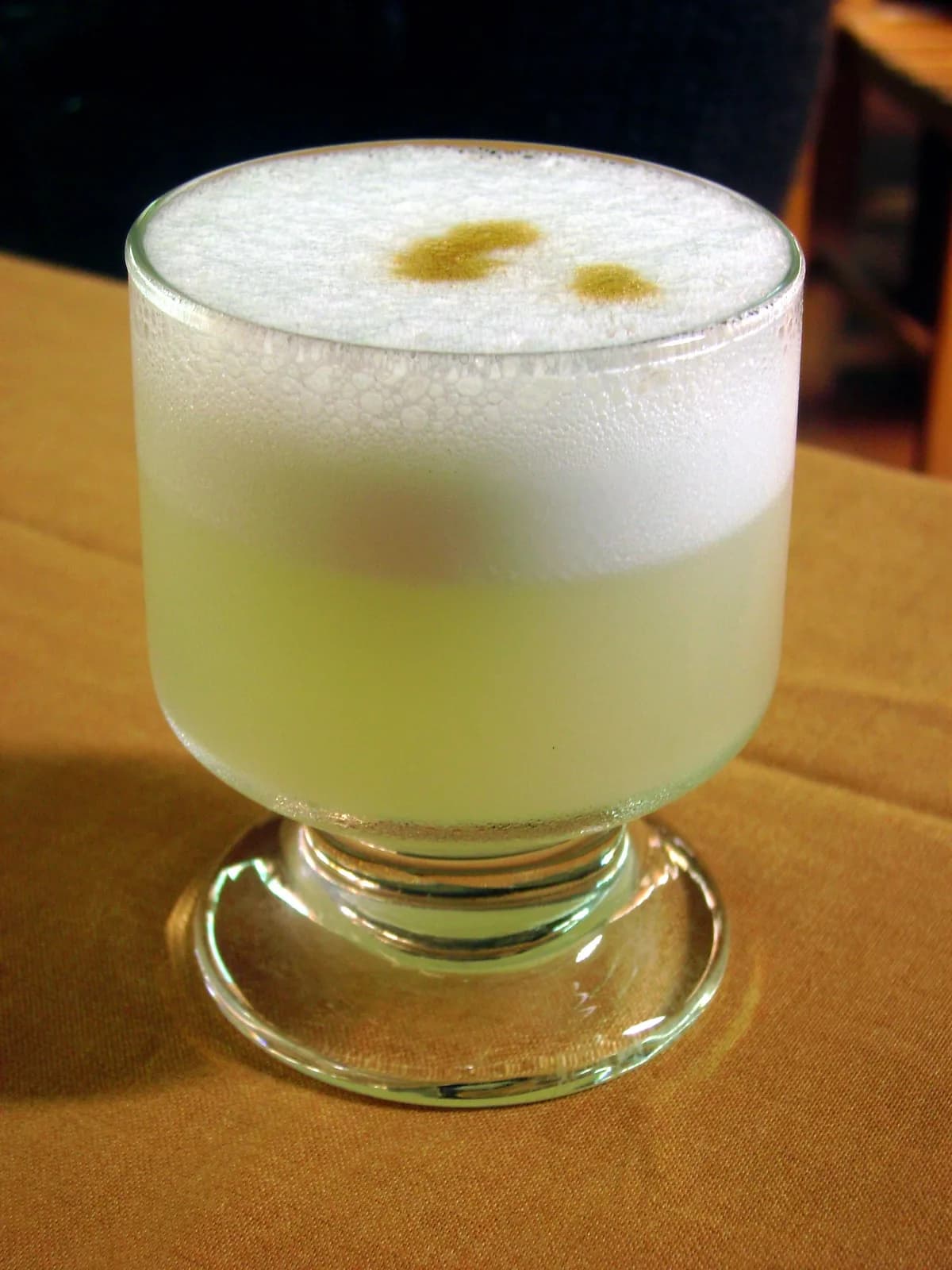
On specific rooms, two names recur in recent reviews: Mi Rosedal out in Uchupampa, widely treated as the camarones specialist, and El Jardín Restaurant & Bar in town, praised for trout, sopa seca and carapulcra in a garden setting. Neither is fancy. Portions run huge, lunch is the main event, and a pisco sour made with the bodega down the road's own pisco is the standard opener. One honest caveat from recent reports: river shrimp have a closed season (veda) in the early months of the year to protect stocks, so if camarones are the reason you came, ask before you order rather than assuming every "camarones" dish is fresh local catch year-round.
Where to stay in Lunahuaná
The valley splits into a few distinct bases, and the right one depends on whether your weekend is about the activities, the river or the quiet. The same way I broke down Chengdu neighborhood by neighborhood, here is the honest menu, ordered from most convenient to most tucked-away.
Three places to book in Lunahuaná
 Riverside pick
Rio Lindo Ecolodge
Right on the riverfront with a pool, about five kilometers from the plaza. The pick travelers keep rating highly for falling asleep to the river without giving up comfort.
Check availability Most character
Refugio de Santiago Ecolodge
A turn-of-the-century adobe, wood and stone farmhouse with eight rooms, a garden restaurant and a pool in the Paullo annex. The stay recent guests describe as the reason they came back.
Check availability Quiet bungalows
La Confianza Hotel
Bungalows and river-view terraces across the hanging bridge in Catapalla, about 15 minutes from the plaza. For travelers who want the bodega end of the valley and real nighttime silence.
Check availabilityThe town center is the base for a first visit without a car. Stay here if you want to walk out to the plaza agencies at 9am, book the day's rafting in person, and stroll to dinner. Hotel stock is simpler than the lodges up the road, and the trade-off is noise on holiday weekends, when the plaza runs late. Browse hotels in central Lunahuaná and expect honest, unflashy rooms.
Condoray and Uchupampa, the lodge strip up the valley road, is where most of the pool-and-garden resorts sit, including the top-rated riverside properties. Stay here if the point of the weekend is a pool, a pisco sour and the sound of the river, and you do not mind a mototaxi ride to town. The riverside Hotel Los Palomos is the closest thing the valley has to a splurge, with recent guests scoring it among the best in the area, and the long-standing Hotel Embassy Jardín also sits out this way. Search stays around Uchupampa for the full strip.
Paullo, the down-valley annex where many rafting runs finish, is the character pick. Stay here if you want the farmhouse-and-orchard version of the valley: Refugio de Santiago is the anchor, an adobe ecolodge whose kitchen cooks from its own garden, about four kilometers from the center. It suits slow travelers and food people more than anyone wanting nightlife, of which Paullo has none. See options in Paullo.
Catapalla, at the far end past the hanging bridge, is for going properly quiet. Stay here if the bodegas are your priority and you like the idea of crossing a suspension bridge to get home. La Confianza's bungalows are the known quantity, and the annex also puts you closest to La Reyna de Lunahuaná for tastings. The trade-off is distance: everything requires a mototaxi or a walk. Search Catapalla stays.
| Zone | Best for | Vibe | Price tier | Watch out for |
|---|---|---|---|---|
| Town center | First visit, no car | Plaza, agencies, restaurants | Budget to mid | Holiday-weekend noise |
| Condoray / Uchupampa | Pools and river views | Lodge strip, resort-ish | Mid to high | Mototaxi rides to town |
| Paullo | Slow travel, food | Farmhouse, orchards | Mid | No nightlife at all |
| Catapalla | Bodegas, silence | Far-end annex, hanging bridge | Mid | Distance from everything |
If one recommendation stops the scrolling: for a first weekend, book Rio Lindo or another riverside lodge and take mototaxis, because the river is the whole point of the valley and waking up next to it beats a shorter walk to the plaza.
Getting there from Lima
There is no single direct public bus, but the three-step route is cheap and well worn. Southbound buses (Soyuz is the name that comes up most, leaving from Avenida México in La Victoria, with boarding also possible near Mall del Sur in San Juan de Miraflores) reach San Vicente de Cañete in about two and a half hours for S/15-18. From Cañete, a one-sol colectivo covers the 15 minutes to Imperial, and from Jr. Ayacucho in Imperial, combis and colectivos run the last 40 minutes up the valley for about S/6. Total: 184 kilometers and 3 to 3.5 hours, which is why this works as a weekend rather than a day trip.
The alternatives are simpler but less flexible. Full-day tours from Lima bundle the drive, rafting, lunch and a bodega stop for around $55, and weekend tourist buses appear around holidays. Drivers do it in under three hours down the Panamericana Sur. If Peru is a longer trip and Lima is your entry point, it is worth comparing flights into Lima early, since Jorge Chávez is the hub everything here hangs off.
A two-day weekend plan
Day one is the river. Arrive by mid-morning, book rafting and canopy at the plaza for the afternoon, and eat a light lunch (save the camarones feast). Raft, ride the ziplines while the light is long, then dinner in town and an early night, because the valley is genuinely dark and cool after sunset.
Day two is the slow valley. Cuatrimoto or mototaxi out through Catapalla, cross the hanging bridge, taste at La Reyna or Los Reyes before noon, then the long camarones lunch at Mi Rosedal or a garden table in town. If the afternoon has room, Incahuasi on the way out: the ruins sit on the road back toward Cañete, so the taxi to your bus can wait 30 minutes while you walk the walls. That ordering matters, since travelers who leave rafting for day two keep getting burned by early buses and morning-only departure schedules.
When to go
Lunahuaná is sunny most of the year, which is exactly its appeal to Lima, a city that spends winter under grey coastal fog. April to November brings mild, dry days around 18 to 30C, gentle Class II rafting and thinner crowds outside long weekends. December to April is hotter and livelier: big Class III-IV water for serious rafters, the grape harvest and the Fiesta de la Vendimia in March. The one constant is the weekend swing. Saturdays bring the Lima crowds and holiday weekends double the prices, so if your dates are flexible, a weekday or Sunday-to-Monday visit gets the same valley with half the queue. Nights run cool year-round, so pack a proper jacket whatever the month.
Practical notes I would tell a friend
- Bring all the cash you need from Lima or Cañete, since there is no reliable ATM in the village and cash gets better tour prices anyway.
- Skip holiday weekends like Semana Santa unless you enjoy paying double for everything, including rooms.
- Book rafting for the morning after you arrive, not the day you leave, so bus timings cannot eat your slot.
- Check your rafting operator's kit before paying: recent reports say quality varies, and helmets and proper wetsuits in the wet season are non-negotiable.
- Pack insect repellent, because the valley mosquitoes are consistently described as aggressive, plus sunscreen and shoes that can get wet.
- Ask about the camarones veda if visiting January to March, so you know whether the river shrimp are fresh local catch.
- Carry small soles for mototaxis between the annexes, which cost only a few soles a hop.
- If Spanish is limited, book the from-Lima tour rather than piecing together buses, since English is thin on the ground in the valley.
I built this from recent traveler reports, operator pricing and local guides rather than my own boots, so if you have run the Cañete or slept in one of these lodges more recently and something has moved on, tell me and I will update it. But if you are in Lima with a free weekend and a taste for rivers and pisco, this is the trip I would book: two days, one riverside bed, and the long shrimp lunch on the way out.
Frequently asked
Is Lunahuaná worth visiting from Lima?
Yes, if adventure sports and pisco are your thing. It packs rafting on the Río Cañete, some of Peru's longest ziplines, ATV trails, Inca ruins and family-run pisco bodegas into one small valley about three hours south of Lima, which is why it has become the capital's default adventure weekend.
When is the best time to go rafting in Lunahuaná?
It depends on what you want. From roughly December to April, Andean rain swells the Río Cañete and the Lunahuaná to Paullo stretch runs Class III to IV rapids for experienced paddlers. From April to November the river drops to gentle Class II water that beginners and kids from about age eight can run. The river is raftable all year.
How do you get to Lunahuaná from Lima without a car?
Take a southbound bus (Soyuz and others leave from Avenida México in La Victoria, with stops near Mall del Sur) to San Vicente de Cañete, about 2.5 hours and S/15-18. From there a one-sol colectivo runs 15 minutes to Imperial, where combis on Jr. Ayacucho leave for Lunahuaná, about 40 minutes and S/6. Total trip: 3 to 3.5 hours.
How much do activities cost in Lunahuaná?
Locally, rafting runs from around S/50-70 for a short trip, the canopy zipline S/50-70, and cuatrimotos (ATVs) S/25-35 for about 40 minutes. Full-day tours from Lima that bundle transport, rafting, a riverside lunch and a pisco tasting run around $55 per person. Expect prices to roughly double on holiday weekends.
Where should you stay in Lunahuaná?
The town center puts the tour agencies and restaurants on your doorstep. Riverside lodges along the valley road, like Rio Lindo Ecolodge, trade that convenience for pools and river views. The quiet annexes of Paullo and Catapalla hold the most character, including the adobe farmhouse Refugio de Santiago Ecolodge.
Are there ATMs in Lunahuaná?
Do not count on one. Recent visitors consistently warn there is no reliable ATM in the village, most operators prefer cash, and paying in soles usually gets a better rate on rafting and tours. Withdraw everything you need in Lima or San Vicente de Cañete before heading up the valley.
How many days do you need in Lunahuaná?
One night and two days covers it well: rafting and ziplining on day one, then bodegas, Incahuasi and a long camarones lunch on day two. Day trips from Lima exist, but they spend six-plus hours on the road and skip the valley at its best, which is after the tour vans leave.